


Listeners Club

Forgot Password

Not a Member? Sign up here!

ABC - Health News

Kennedy restores staffing at 9/11 health program ahead of Capitol Hill testimony

Robert Kennedy Jr. appears before the Senate Finance Committee at the Dirksen Senate Office Building on September 04, 2025 in Washington, DC. (Andrew Harnik/Getty Images)

(WASHINGTON) -- Health and Human Services Secretary Robert F. Kennedy Jr. heads to Capitol Hill Thursday after restoring staffing at the World Trade Center Health Program, a move that could ease one of the most persistent points of bipartisan criticism he has faced for months.

Program advocates and lawmakers said they received an email from the secretary on Wednesday approving hiring for 37 long-vacant positions. This will raise staffing from its current 83 employees to the federally authorized level of 120.  

The move comes after nearly a year of bipartisan criticism that staffing shortages were slowing care for the 140,000 responders and survivors the program serves, many of whom have been diagnosed with cancer, respiratory disease and other conditions tied to exposure to toxins after the 9/11 terror attacks in New York, Shanksville, Penn., and Washington, D.C.


The World Trade Center Health Program was created as part of the James Zadroga 9/11 Health and Compensation Act to provide long-term medical monitoring and treatment to those affected by the attacks. For more than a year, the program has operated far below capacity with about 83 staff members, following a period of upheaval that included firings, rehires and shifting leadership, even as the participant population grew by nearly 30,000 new enrollees.

Advocates say the reduced staffing has had real consequences, including slower approval of survivors into the program, delays in managing contractors, and longer wait times for care.

“This is progress,” Benjamin Chevat, executive director of Citizens for the Extension of the James Zadroga Act, told ABC News. He credited the progress to sustained pressure from lawmakers in both parties and their consistent support of the program.

Lawmakers also have welcomed the end of the hiring freeze.

Rep. Andrew Garbarino, R-N.Y., told ABC News that the approval for the additional staff would “directly support the responders and survivors who rely on this care every day,” and that “more staff means better access to care, shorter wait times, and stronger support for those still living with the health impacts” of the attacks.

He called the move “real progress for the 9/11 community” and said it is “about making sure those who answered the call on September 11th get the care they have earned.”

Rep. Dan Goldman, D-N.Y., also welcomed the news but criticized the delays. “I am encouraged that, after repeated demands from me and from other members of Congress, Secretary Kennedy is finally increasing staffing at the World Trade Center Health Program so that our brave survivors and first responders can receive the quality health care they deserve,” Goldman told ABC News.

“The ongoing staffing shortages under this administration are unacceptable and have been undermining the program’s ability to provide timely and quality care to the enrollees," Goldman added. "I will be watching closely to ensure that new staffers are hired as quickly as possible and that our heroes receive the quality healthcare they were promised and deserve."

At a senate hearing last May, Kennedy acknowledged that "we made a couple of mistakes" in firing program staff and promised to address them.

“Under Secretary Kennedy’s leadership, the World Trade Center Health Program continues to move forward and deliver for responders and survivors,” a spokesperson for the Department of Health and Human Services told ABC News in response to a request for comment. “The approval of these positions reflects HHS’ commitment to strengthening the program. The petition reviews are proceeding through established processes, and work is actively underway to advance pending petitions. Protecting the health and well-being of those affected by 9/11 remains a top priority.”

Chevat pointed out the timing of the decision, which comes as Kennedy prepared to face lawmakers at Thursday's public hearing: “Now a year later he is finally letting the program fill the staff vacancies that the program was blocked from filling.”

In a previous statement to ABC News, HHS spokesperson Andrew Nixon said decisions about the program, including staffing and whether to add new health conditions to be covered under the program, rest with the World Trade Center Health Program administrator, not Secretary Kennedy.

Even with the staffing issue moving toward resolution, significant concerns for the program remain, Chevat said. They include key decisions about expanding coverage for additional conditions including autoimmune, cardiac, and cognitive disorders are still pending – for years, in some cases.

Those decisions ultimately require sign-off within HHS, under Kennedy’s direction, according to Chevat. Until that happens, patients with those conditions don’t qualify for full coverage through the program.

Research funding for the program also remains stalled, according to Chevat. Its annual grant cycle, which typically distributes about $20 million for studies on 9/11-related illnesses, is still waiting for approval, despite the understanding that it would begin this past February, he said.

Additionally, communication between the program and the 9/11 community has been sparse under HHS oversight, with fewer updates and less clarity about decision-making, according to Chevat and other 9/11 survivor advocates.

Lawmakers are still likely to ask Kennedy questions about the World Trade Center Health Program during today's hearings, Chevat said. The research funding budget is also expected to come up during a Senate Health, Education, Labor and Pensions Committee hearing next week.

For now, however, the decision to restore program staffing removes one of the most visible and widely criticized problems, Chevat said.

Copyright © 2026, ABC Audio. All rights reserved.

Trump admin touts new dietary guidelines, but will your child have healthier school lunches next fall?

Kids eating lunch at school (Tetra Images/Getty Images)

(NEW YORK) -- As President Donald Trump's administration touts its new federal dietary guidelines, experts and officials suggest there's a long road ahead before America’s students have healthier school meals.

With the Departments of Agriculture and Health and Human Services partnering to address chronic disease -- aiming to place whole, nutrient-dense food at the center of diets -- the administration believes it has taken a major step toward solving America's youth health crises.

From Secretaries Brooke Rollins and Robert F. Kennedy Jr. to Food and Drug Administration Commissioner Marty Makary, there’s a full-scale push to make school meals healthier by next school year, but the USDA’s former Food and Nutrition Service Administrator Cindy Long said their changes won't happen "overnight."

Long -- who was USDA’s Deputy Administrator for Child Nutrition under former President Barack Obama and during President Donald Trump’s first term -- told ABC News the Healthy-Hunger Free Kids Act, which is the school meals bill that was signed into law in 2010, ignited a shift to healthier school meals over a decade ago.

Celebrating the newest dietary guidelines, the foundation of dozens of federal feeding programs, including school meals, Agriculture Secretary Brooke Rollins has said that her agency is submitting its proposed school meals rule by mid-spring. Meanwhile, implementing the meals in U.S. classrooms will see delays after the updated regulations, some health policy experts noted.

Dr. David Ludwig, a professor of nutrition at the Harvard School of Public Health, suggested the changes may take a while both in practice and culture.

“We have to address this on many levels,” Ludwig told ABC News, adding, “First, improving the guidelines that regulate food quality in schools. That's foundational.”

Ludwig echoed the Trump administration’s 2025-2030 guidelines, which are updated every five years, emphasizing that new school meal ingredients must reduce sugar and other processed carbohydrates and increase whole foods.

“Layer two is adequate funding so that not only healthful but delicious foods can be prepared,” he said, adding, “It's critical for children to understand that we don't want to raise a generation that thinks healthy foods are going to be just bland.”

Updates will be made through formal rulemaking, the government’s multi-step process that includes opportunities for public comment, to ensure USDA supports children’s access to nutritious, high-quality meals at school, according to a USDA spokesperson.

However, Long told ABC News that some of the President Joe Biden administration’s changes to reduce added sugar and sodium to school meals are still being implemented.

“You can't change this enormous system with 100,000 schools operating overnight,” she said, adding “You've got to allow time for people to be successful, for people to change menus, for them to procure the right products, for industry to be able to produce products that will help them bring down the sodium, bring down the added sugar etc.”

White House Senior Advisor Calley Means told ABC News there will be a “flurry” of regulation changes this year that will bolster kids’ meals at school. He bemoaned critics’ concerns that the administration lacks the funding to make the necessary changes.

“The government spends hundreds of billions of dollars on food procurement,” he said, adding, “We do not have a budget issue. There's been a political will problem that President Trump and Bobby Kennedy and Brooke Rollins have solved. There's care about this issue. We're going to be driving common sense solutions.”

Parental control over school meals

University of Illinois Professor of Nutrition Dr. Donald Layman believes promoting healthier meal options -- like increased protein and the subtraction of ultra-processed foods -- signals a “total sea change” for parents.

“I think it gives parents a different structure,” he told ABC News, adding, “They've been told that, well, eggs were bad for you, or that meats were bad for you, and they're left not knowing what to give their kids.”

“I've always felt that the issue was, how do we empower parents to do what they know is right, but they've been told they shouldn't do,” Layman added.

Hilary Boynton -- a California mom and former head of nutrition services at her kids’ school -- said, “people are starting to recognize that they have agency over their own health and [they can] be empowered by that.”

In Summer Barrett’s home state of West Virginia, a mom who says she's a part of the Make America Healthy Again Movement, said she’s grown frustrated with school meals containing excess amounts of sugar in Dunkin' Stix Donuts breakfasts.

“You're giving them 52 grams of sugar, and then you send them to class and you wonder, ‘oh, why can't you sit still,’” Barrett said. “Why can't you learn? Why can't you focus?" Well, cause you just jacked them up on more sugar than they should have in an entire day,” she added.

The new guidelines may signal that school meal changes are to come, thanks to MAHA moms like Barrett who have been “hungry for this nutrition science for a long time,” according to FDA Commissioner Makary. Makary and Kennedy have already started visiting schools to help promote programs that serve scratch-cooked meals with Whole Foods like fruits and vegetables.

Meanwhile, Cindy Long told ABC that the administration’s changes will only build on prior policy wins.

“I'm hoping that this will just continue on the path of, sort of, continuing to make school meals stronger and stronger,” she said.

Copyright © 2026, ABC Audio. All rights reserved.

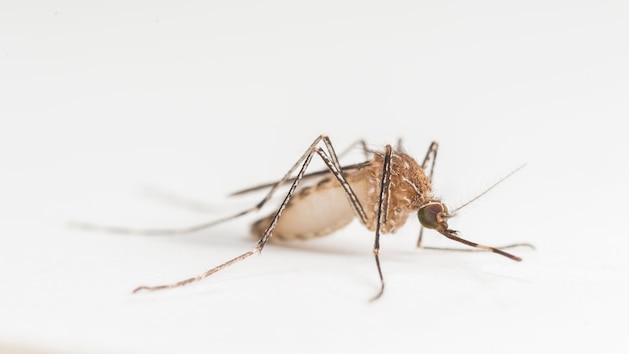
Weekly ER visits for tick bites reach highest level in nearly a decade. Will this season be worse?

Photo of tick (rbkomar/Getty Images)

(NEW YORK) -- Weekly visits to emergency rooms for tick bites are at the highest level since at least 2017, according to data from the Centers for Disease Control and Prevention (CDC).

During the most recent week, 71 per 100,000 ER visits were due to tick bites, compared to the average of about 30 per 100,000 ER visits for this time of year, more than double from what is typical this time of year.

Currently, the Northeast is reporting the most ER visits for tick bites, followed by the Midwest, Southeast, West and South Central regions, respectively, CDC data shows.

"We're running well above historic average and even well above last year," Dr. John J. Halperin, chair of the New Jersey Stroke Care Advisory Panel and member of the department of neuroscience at Atlantic Health Overlook Medical Center in New Jersey -- who partly focuses on Lyme disease -- told ABC News.

"The ticks have started a little earlier. There seems to be a lot of them. A lot of people are going to the emergency room," he continued. "It's not entirely clear how much of this is increased recognition and as people become more aware of this, more going to the emergency room. But there seems to be a clear increase in the number of ticks out there."

May is typically when ER visits for tick bites peak each year, and it remains unclear if the upward trend will continue.

Halperin said it is possible that the monthly April average will level out and match prior years.

"Spring and early summer are prime time for getting bitten by the locally youngest form of ticks, which are the main ones who get us humans," he said. "So, seeing a lot of them certainly means an increased risk."

Tick-borne diseases have been on the rise in recent years and scientists suspect it is partly linked to climate change, which has caused shorter winters, earlier springs and hotter summers.

Dr. Christopher Bazzoli, an emergency medicine physician at Cleveland Clinic, said because of increased tick populations, in conjunction with warmer weather and heavy rains, it is likely some tick populations grow earlier in the season.

"Ticks tend to become active when the temp reaches 45 degrees [Fahrenheit] or more," he told ABC News. "If [temperatures] stay higher into the fall, we could also see a longer tick season."

Halperin said that in addition to climate change, there has been an increase in the recognition of certain tick-borne diseases.

"One big change ... was the CDC changed what they would allow to be called a confirmed case of Lyme disease and really loosened the criteria," he said. "So, there was a huge bump in the reported numbers."

The CDC recommends that people avoid wooded and brushy areas with high grass and leaf litter and stay in the center of trails when hiking. The agency also recommends using Environmental Protection Agency-registered insect repellents containing at least 20% DEET,  20% picaridin as the listed active ingredient or other approved ingredients, but to avoid use for children under the age of 3.

"The thing to appreciate is these ticks have a strongly preferred habitat," Halperin said. "They spend much of their lives in low brush. Their preferred reservoir host is the field mouse. Field mice carry Lyme disease ... and if a tick lodges on that field mouse, it picks up the infection, and they can give it to us. The first thing you could do is stay away from areas where there might be field mice and ticks."

The CDC also recommends treating outdoor clothing and gear with 0.5% permethrin, an insecticide and repellent, which remains effective even after multiple washes.

Halperin suggests doing a tick check at the end of the day. If you find one, he recommends using fine-tip tweezers, placing them between the skin and the tick and pulling to remove the tick.

Bazzoli recommended cleaning the area and taking a picture of the tick to identify it and what type of disease it could possibly be carrying.

Copyright © 2026, ABC Audio. All rights reserved.

Tylenol during pregnancy has no link to autism, large study finds

In this stock image, an open bottle of Tylenol Extra Strength pain reliever is shown. (STOCK IMAGE/Getty Images)

(NEW YORK) -- Taking acetaminophen, also known by the brand name Tylenol, during pregnancy had no effect on children developing autism, according to a study of over 1.5 million children in Denmark published this week. 

The study was published in JAMA Pediatrics. 

Researchers analyzed 1.5 million children born between 1997 and 2022. About 1.8% of those who were exposed to Tylenol during pregnancy developed autism compared to 3.0% of those who were not exposed to Tylenol.

prior study out of Sweden looked at siblings, finding no causal link between autism and Tylenol exposure during pregnancy. There are genetic associations and environmental triggers that are likely involved, but neither Tylenol nor vaccines has been shown to be the cause of autism.  

The new study out this week comes after President Donald Trump and his administration had previously urged pregnant mothers to avoid Tylenol, without substantive evidence for the claims. 

“With Tylenol, don't take it. Don't take it,” Trump said during a press event at the White House in September. “If you can't live, if your fever is so bad, you have to take one, because there's no alternative to that.” 

The FDA then initiated a process to update the safety label on acetaminophen to suggest that its use during pregnancy and autism were linked. 

At the time, Kenvue, the maker of Tylenol, wrote in part of a statement, "We believe independent, sound science clearly shows that taking acetaminophen does not cause autism. We strongly disagree with any suggestion otherwise and are deeply concerned with the health risk this poses for expecting mothers."

At the time, medical organizations, like the American College of Obstetrician & Gynecologists, immediately pushed back, noting that Tylenol was one of the few options for pregnant women to treat pain and fever, which can be harmful when left untreated.

It is generally not recommended for pregnant women to take ibuprofen, Advil, during pregnancy due to the risk of complications.

Nevertheless, the claims made by the administration have led to confusion. A prior study found that Tylenol use in emergency departments dipped 16% immediately following the announcement by the administration.

ABC News reached out to Kenvue, the maker of Tylenol, for a statement but did not immediately hear back. 

Copyright © 2026, ABC Audio. All rights reserved.


Growing number of trauma, brain injuries linked to e-bikes and e-scooters at 1 hospital: Study

Stock photo of people commuting on e-bikes and scooters. (Maskot/STOCK PHOTO/Getty Images)

(NEW YORK) -- E-bikes and e-scooters led to a growing number of trauma injuries at one New York City hospital, according to a new study published Wednesday.

About 7% of all trauma visits between 2018 and 2023 at Bellevue Hospital Center were due to micromobility injuries. Micromobility is the use of small, lightweight and low-speed modes of transportation such as bicycles, e-bikes and e-scooters.

The study showed a growing share of patients who sustained these injuries had accidents linked to e-bikes or e-scooters.

Hospital data showed that, by 2023, over half of all trauma cases related to bikes or scooters involved an e-bike or e-scooter, an increase from just 8% in 2018, according to the study, published in the journal Neurosurgery. 

The most common type of mechanism involved a collision with a motor vehicle followed by falls from the bike or scooter. 

Bellevue is a Level 1 Trauma center in a large metropolitan city, designed to treat the worst kinds of injuries. Over the study period, about 30% of patients suffered a traumatic brain injury, 26% had injury to the skull or face and 50% required surgery.

"Our study shows that micromobility injuries are producing serious brain and spinal trauma that demands neurosurgical care at a scale we haven't seen before," corresponding study author Dr. Hannah Weiss, a resident in the Department of Neurosurgery at NYU Grossman School of Medicine, said in a press release. "In a busy urban setting, we are seeing more and more of these injuries firsthand."

Most patients seen for these injuries, nearly 69%, needed to be admitted to the hospital and nearly a third needed intensive care.

The majority of patients stayed at least three days in the hospital. Pedestrians who were struck had higher rates of traumatic brain injuries and were more likely to be admitted for intensive care. 

"The data point to actionable solutions -- helmet use, safer bike lane design and enforcement -- that could prevent many of these injuries and better protect both riders and pedestrians, who in our study often sustained even more severe brain injuries than the riders themselves," Weiss said. 

About 20% of patients were intoxicated with alcohol, only 31% were using a helmet and injuries were more likely to occur in the evening hours, according to the study. 

"Our findings make clear that urban infrastructure must continue to improve to keep pace with the rapid rise of electric bikes and scooters," Dr. Paul P. Huang, an associate professor in the department of neurosurgery at NYU Grossman School of Medicine and chief of neurosurgery at NYC Health + Hospitals/Bellevue, said in a press release

"Future studies should track these injuries across multiple cities and measure whether protected bike lanes, helmet programs, and speed enforcement actually reduce the number of brain and spine surgeries we perform," Huang added,

Jade A. Cobern, MD, MPH, is a practicing physician, board-certified in pediatrics and general preventive medicine, and is a fellow of the ABC News Medical Unit. 

Copyright © 2026, ABC Audio. All rights reserved.


Smoking rate among US adults drops to record low as vape use rises: CDC

Signage outside the Center for Disease Control (CDC) headquarters in Atlanta, Georgia, US, on Friday, Dec. 5, 2025. (Megan Varner/Bloomberg via Getty Images)

(NEW YORK) -- Cigarette smoking among U.S. adults continues to fall to record low levels as e-cigarette use rises, according to a report from the Centers for Disease Control and Prevention (CDC) published early Thursday.

Nearly 10% of adults in the U.S. smoked cigarettes in 2024, the report found. This is down from about 11% in 2023, CDC data shows.

Rates of cigarette use have dramatically fallen since a landmark 1964 Surgeon General report warned about the dangers of cigarette smoking and linked it to lung cancer, chronic bronchitis and other serious diseases.

The 1964 report also found a 70% higher mortality rate among smokers and helped launch a nationwide anti-smoking campaign.

At the time, more than 42% of adult Americans were smokers, according to the Surgeon General.

"Decreased cigarette use is certainly in line with decades of trends and really hard work on the part of public health and education folks to get the word out about how awful cigarettes are and how deadly they are," Dr. Maria Rahmandar, medical director of the substance use & prevention program in the division of adolescent and young adult medicine at Ann & Robert H. Lurie Children's Hospital of Chicago, told ABC News.

"However, with decreased cigarette use, that means that big tobacco companies are losing money, and so they're always looking for new ways to capture customers and hook new people on powerfully addictive ... nicotine," she added.

The new CDC report found those living in rural areas were more likely to smoke more than city dwellers. More than 15% of those in non-metropolitan areas smoked cigarettes compared to those living in cities, the report noted.

Meanwhile, the report found that 7% of American adults used e-cigarettes, or vapes, in 2024.

This is a slight uptick from 6.5% of adults reporting e-cigarette use in 2023 and nearly double from the 3.7% of adults who reported using e-cigarettes in 2020, CDC data shows.

"I think we had a shot [at] the first tobacco‑free generation prior to e‑cigarettes coming onto the market. Unfortunately, it's kind of derailed that progress," Thomas Carr, director of national policy at the American Lung Association, told ABC News.

The report found that vaping patterns were similar to cigarettes by metro areas, where 6.1% reported using e-cigarettes compared to 9.2% in rural areas. 

Previous CDC data found that men; those who identify as lesbian, gay or bisexual; and those who report serious psychological distress are more likely to report current e-cigarette use.

The CDC has also previously found that some adults use e-cigarettes to try to quit smoking cigarettes. The health agency notes the Food and Drug Administration has not approved any e-cigarette to help people quit smoking.

Rahmandar said e-cigarettes have been marketed as a way for people to get off cigarettes, which she noted can help. But she cautioned that there are still many unknowns about e-cigarette harms.

"Cigarettes are terrible, and it is possible that e‑cigarettes are safer -- not safe -- safer than cigarettes," she said. "So could it be better for somebody to switch that in a harm reduction philosophy? Yes, however, we still don't know long term effects of e‑cigarettes, either ... We know that there are immediate effects. There certainly are harmful chemicals, carcinogens, toxins, heavy metals, respiratory irritants and other things inside of there that certainly can cause immediate harm." 

By age, those between age 45 and 64 were most likely to be smokers followed by those between ages 25 and 44.

Among vapers, those between ages 18 and 24 had the highest prevalence of e-cigarette use followed by those between ages 25 and 44.

Previous CDC data has shown that the majority of young adults who use e-cigarettes have never smoked cigarettes.

"I think this is ... the JUUL generation," Carr said, referencing what was the most popular e-cigarette in the U.S. "From 2017 to 2019, they got teens to get hooked on JUUL, and they're now adults, and unfortunately, they haven't been able to quit using e-cigarettes."

Tiffany Le, MD, is a pediatrics resident at UT Southwestern Medical Center and a member of the ABC News Medical Unit. 

ABC News' Liz Neporent contributed to this report.

Copyright © 2026, ABC Audio. All rights reserved.


Doctors say Pfizer's Lyme disease vaccine trial results 'encouraging' after more than 70% efficacy shown

Pfizer logo (Photo Illustration by Nikolas Kokovlis/NurPhoto via Getty Images)

(NEW YORK) -- Earlier this week, pharmaceutical company Pfizer and its partner Valneva announced that an experimental Lyme disease vaccine showed more than 70% efficacy in late-stage clinical trials.

The candidate, PF-07307405, showed 73.2% efficacy in reducing confirmed cases of Lyme disease cases after the fourth and final dose was administered when compared to a placebo.

However, the companies said there were fewer than anticipated cases of Lyme disease during the trial period and the study missed an important benchmark.

The trial did not reach its primary endpoint to provide an idea of how the results of this vaccine would turn out in a much larger population of people. Only with re-analyzing the data were researchers able to generate a statistically meaningful result.

Experts in tick-borne diseases told ABC News they still need to see the full data from the trials and that it's early to determine what kind of impact the vaccine will have -- but they add that results are "encouraging."

"There are many other companies that are trying to develop something, but those are years and years and years away from being anywhere close to being marketed," Dr. Gene Shapiro, a professor of pediatric infectious diseases and epidemiology of microbial diseases, told ABC News. "So, this vaccine was very similar to the vaccine that we know worked in the past. I think we have to pay attention to [this new one]."

Lyme disease is a bacterial infection that is spread through the bite of blacklegged ticks, also known as deer ticks, according to the Centers for Disease Control and Prevention (CDC).

Symptoms include fever, headache, fatigue and a skin rash known as erythema migrans, the CDC says. If left untreated, the infection can spread to joints, the heart and the nervous system.

More than 89,000 cases of Lyme disease were reported to the CDC by state health departments and the District of Columbia in 2023, according to the latest data available from the federal health agency. Estimates suggest about 476,000 Americans may be diagnosed and treated for Lyme disease annually.

Currently, no vaccine for Lyme disease is available in the U.S. Previously, a vaccine was available, but it was discontinued in 2002, according to the CDC.

"The uptake was poor. The sales were poor, and the company decided to stop selling it," Shapiro said. "The currently developed vaccine [by Pfizer and Valneva] is very, very similar to that vaccine, with very minor modifications."

Dr. Martin Becker, a clinical associate professor in the department of medicine at NYU Grossman Long Island School of Medicine, added that there were concerns raised, including about vaccine recipients having joint problems but several studies examining a link failed to find an association.

Becker said there have been many clinical trials underway "but this one that Pfizer just announced, I believe, is the one that's been most advanced," he told ABC News. "We were eagerly awaiting results from this large Phase III trial. Other previous trials were already published showing the safety and immunogenicity [of the vaccine]."

Pfizer and Valneva said they are planning to file for approval with the U.S. Food and Drug Administration, with Pfizer telling ABC News that the trial results show there is a level of protection against Lyme disease.

"It doesn't mean it doesn't work, but it does mean -- if we had higher numbers of incidence of infection -- we would be more confident about the degree of protection. It's very encouraging," Becker said.

Questions remain about whether the vaccine, if approved, will have higher uptake than the previous vaccine did decades earlier.

Shapiro said there might be more uptake with this vaccine if stronger recommendations are made. At the time the old vaccine was approved by federal regulators, Shapiro said the recommendation from the CDC's Advisory Committee on Immunization Practices was to consider the shot for those at higher risk, but it was not recommended for those at low or no risk.

"It was not a very strong recommendation," Shapiro said. "And I think there was less awareness of Lyme disease. So, most likely, [the newer vaccine] would get a stronger endorsement today."

Copyright © 2026, ABC Audio. All rights reserved.


Nearly 90,000 bottles of children’s ibuprofen voluntarily recalled

Bottles of children's ibuprofen, made for Taro Pharmaceuticals U.S.A., Inc., are being recalled due to the potential presence of a foreign substance. (NIH)

(NEW YORK) -- Nearly 90,000 bottles of children's ibuprofen are being voluntarily recalled due to the potential presence of a foreign substance.

According to a notice from the Food and Drug Administration, Taro Pharmaceuticals U.S.A., Inc. received complaints from customers who reported “a gel-like mass and black particles” in the drug products.

Four-ounce (120 ml) bottles of Children's Ibuprofen Oral Suspension are impacted by the recall. The FDA said the children’s medications, intended for pain relief from the common cold, flu, sore throat, headache and toothache and a fever reducer, were manufactured in India for Taro Pharmaceuticals U.S.A., Inc.

Recalled children’s ibuprofen products have lot codes of: 7261973A and 7261974A and bear an expiration date of 01/31/2027, according to the federal agency.

The FDA is classifying the recall as a Class II, which the agency defines as anything where the "use of or exposure to a violative product may cause temporary or medically reversible adverse health consequences or where the probability of serious adverse health consequences is remote."

Taro Pharmaceuticals is a subsidiary of Sun Pharma. 

In a statement, Jeremy Allen, vice president of corporate affairs for Sun Pharma, said: "We are committed to maintaining the highest standards of quality across all Taro labeled products, including those manufactured by third-party partners such as Strides, the application holder. We are in close contact with Strides as it fully investigates the root cause of this issue and ensures all regulatory expectations are met. Sun Pharmaceuticals remains dedicated to protecting patient safety and ensuring strong oversight of our partner."

Copyright © 2026, ABC Audio. All rights reserved.


1 in 10 ACA enrollees dropped their coverage due to rising health care costs: Poll

The healthcare.gov website on a laptop arranged in Norfolk, Virginia, US, on Saturday, Nov. 1, 2025. (Stefani Reynolds/Bloomberg via Getty Images)

(NEW YORK) -- When Jessica Chamberlain went to sign up for health insurance coverage under the Affordable Care Act (ACA) for 2026, she not prepared for the sticker shock.

Last year, Chamberlain was paying $59.67 in monthly premiums. This year, she would be paying nearly $100.

The 43-year-old mother of two from Illinois said she was floored to see her monthly premiums were nearly doubling.

"I can't afford that as a single mom with two kids," she told ABC News.

After carefully weighing her options, Chamberlain decide to forego health insurance and is currently uninsured.

"What do I sacrifice [to pay for health insurance]? I'm diabetic," she said. "What do I have to sacrifice to keep my medications and my health afloat?

Chamberlain is not alone. Nearly one in 10 people enrolled in the ACA Marketplace last year dropped their coverage in 2026, according to a new KFF survey published Thursday.

The findings come amid rising health care costs and the end of the enhanced premium tax credits. The tax credits helped lower the cost of monthly premiums for about 22 million Americans covered under the ACA and expired at the end of 2025, with no plans by Congress to extend them.

The survey built upon a previous KFF poll conducted in 2025 among Marketplace enrollees. Surveyors re-interviewed more than 1,100 adults between Feb. 2 and March 2, 2026.

Of the respondents, 69% said they re-enrolled in Marketplace coverage with 39% selecting the same plan and 29% switching plans.

More than half, or 51%, of returning ACA enrollees said their health care costs are "a lot higher" this year compared to last year. Of this group, four in 10 specifically said their premiums are "a lot higher." Additionally, 80% said all health care costs -- including premiums, deductibles, co-pays or coinsurance -- are higher.

Meanwhile, 9% of Marketplace enrollees dropped their ACA coverage and are currently uninsured.

When asked why they decided to drop or change their coverage, most respondents said costs were the driving factor.

One of the respondents, Holly Weir, a 26-year-old from Ohio, told ABC News she was paying $30 in monthly premiums last year under a plan run by UnitedHealthcare. This year, her plan went to $177 in monthly premiums.

"I didn't do anything to pick a new health care plan. I got the bill in the mail and I was like, '[Expletive]!'" Weir said. "I didn't pay too much attention until I got the bill the next month and I was like 'Oh my God, this isn't from me going to see a medical provider.'"

Weir decided to cancel her insurance and has applied for Medicaid coverage. She is currently waiting to see if she will be approved.

Weir said she is a thyroid cancer survivor, and she has to see an oncologist every two months or so, in addition to taking regular medication.

"Once that runs out, I'll get a lot more scared," she said. "Of course, I'm not going to be stupid and leave it so long. If it does come to it, I'll pay [for the insurance]. The idea that I would have to spend that each month is frustrating. I'm already not doing amazingly financially."

The survey found that even those who re-enrolled in the ACA Marketplace may need to rework their household budgets.

More than half, or 55%, said they need to cut spending on food or other basic household expenses to afford their health care costs.

Among those with chronic health conditions, 62% of those who reenrolled in the ACA Marketplace said they will be cutting back on food and other basics.

The survey found that 22% of respondents did not re-enroll in the ACA Marketplace and got coverage through an employer, Medicare, Medicaid or another health plan outside the Marketplace.

Chamberlain, who also responded to the survey, said her kids qualify to be on state-run Medicaid. However, she said she doesn't qualify because she makes too much in her current role working in probation.

She is hoping she can find another insurance plan to help cover health care costs.

"This is destroying people who have pre-existing conditions," she said. "It is affecting people, especially single moms. We're just trying to live."

Copyright © 2026, ABC Audio. All rights reserved.


Judge temporarily blocks RFK Jr.'s efforts to reshape childhood vaccine policy

(MASSACHUSETTS) -- A Massachusetts judge ruled on Monday in favor of medical organizations in their litigation against Health and Human Services Secretary Robert F. Kennedy Jr. over his changes to federal vaccine policy.

The judge temporarily blocked changes to the childhood vaccine schedule that were made at the beginning of this year, in which Kennedy reduced the number of recommended shots from 17 to 11. 

The judge also suspended the appointments of the 13 members of the Centers for Disease Control and Prevention's vaccine advisory committee, who were all appointed unilaterally by Kennedy after he fired all the preceding members. 

This is a developing story. Please check back for updates.

Copyright © 2026, ABC Audio. All rights reserved.


Many military members may get care at hospitals at risk of financial distress -- partly due to Trump cuts

Bo Zaunders/Getty Images

(NEW YORK) -- As many as 724,000 service members, their families and veterans may rely on health care at hospitals that face financial vulnerability, partly due to cuts in President Donald Trump's megabill, according to a new analysis.

The bill, known as HR.1, was signed into law in last summer and included sweeping changes to health care including Medicaid. Strict work requirements, reduced federal funding and tightening provider tax rules impacts hospitals that are dependent on Medicaid, increasing their risk of uncompensated care and reducing revenue.

Service members and their families -- many of whom are covered by the military health insurance program TRICARE -- rely heavily on civilian hospitals for health care, particularly in areas without military treatment facilities.

The analysis, conducted by researchers the Healthcare Quality and Outcomes Lab at Harvard's T.H. Chan School of Public Health (HSPH) and first viewed by ABC News, looked at how many TRICARE beneficiaries may be reliant on hospitals considered at risk of financial distress under these new changes.

The researchers said many hospitals rely so heavily on Medicaid reimbursements that cuts to the program under HR.1 will affect care the hospitals provide to other patients, including those in the military community.

"We wanted to get a sense of how many hospitals are potentially at risk for becoming potentially financially unstable with the upcoming looming HR.1 Medicaid cuts," Dr. Jose Figueroa, co-author of the analysis and associate professor of Health Policy and Management at HPSH told ABC News. "There's a big focus on rural hospitals, but it is not just rural hospitals at risk, that we were finding that across the country, many urban hospitals are at risk."

Figueroa said medical services that many TRICARE beneficiaries need are often only offered in civilian hospitals or in civilian health care systems. These beneficiaries are then exposed to hospitals that are potentially at financial risk, he noted.

"Military active duty service members on TRICARE and their families also on TRICARE are increasingly relying on civilian hospitals for their care, even when they're living within a military base," Figueroa said. "If we're finding evidence that there are many hospitals across the country that are at risk, to what extent will that affect military personnel and their families?"

TRICARE is run by the U.S. Department of Defense for those connected to the military, including active duty members, National Guard and reserve members, military retirees and their families. It is not the same as Medicaid, although some may qualify for both.

For their analysis, the team used three different criteria to identify a hospital that might be at risk.

If more than one in four of patients being treated at the hospital are on Medicaid, given that the HR.1. cuts are disproportionally affecting those on the federal health insurance program.
If the hospital is a safety net hospital, which serves a large number of patients with no insurance or with Medicaid, or a critical access hospital, which is a rural facility that provides essential health care services to underserved communities.
The Altman Z-score, which is an aggregate measure of the financial health of a hospital, combining liquidity, profitability, financial efficiency and solvency measures to categorize a hospital as being at risk for bankruptcy.
About 4% of hospitals were considered at higher risk of financial distress -- meeting three of the criteria and about 19% were at moderate risk of financial distress -- meeting two -- according to the analysis.

The team then used a dataset to help to identify 8.9 million TRICARE beneficiaries and their ZIP codes.

The analysis estimated that more than 117,000 TRICARE beneficiaries are currently living on or near military installations potentially exposed to a hospital at higher risk of financial distress. Additionally, more than 607,000 are living near a hospital with a moderate risk of financial distress.

This means that more than 724,000 TRICARE beneficiaries are living in military installation ZIP codes -- including bases, camps, posts, depots and stations -- where at least one hospital has multiple risk factors for financial distress.

Additionally, more than 3.5 million TRICARE beneficiaries living in ZIP codes without a military installation are potentially exposed to a higher-risk or moderate-risk hospital, the analysis found.

"As a country, we should do our best to take care of the people protecting us," Figueroa said. "Military personnel and their family members should be protected, and sometimes we have to remind ourselves that drastic cuts to our health care that affect our health delivery system also affects our active military personnel and their families as well."

Last month, during a Senate hearing, Chief Master Sergeant of the Air Force David Wolfe said troops were struggling to get health care appointments and made reference to issues with TRICARE's reimbursement rate for providers.

"What we've all seen over the length of our careers is a gradual erosion in the availability of that health care for our service members and their families," Wolfe said, according to the Military Times.

Based on the results of the Harvard analysis, Sen. Elizabeth Warren, D- Mass., is launching an investigation into how the Pentagon is guiding military families through health care cuts and whether Republicans and the Trump administration consulted the Pentagon before the cuts were made, her office told ABC News first.

Warren is also pressing the Pentagon to explain how these cuts are affecting military readiness.

"Donald Trump is putting troops' lives on the line in the Middle East while ripping away health care from their families at home," Warren said in a statement to ABC News. "Republicans swore the Medicaid cuts in their Big Beautiful Bill were about cutting waste, fraud, and abuse -- is that what they think of our military families' health care?"

In a statement sent to ABC News, the Pentagon didn't address Warren's comments.

"As with all congressional correspondences, the Department will respond directly to the authors as appropriate," a spokesperson said.

A Pentagon official also said it wouldn't be appropriate to comment on the methodology of studies not conducted by the department.

The White House didn't respond to ABC News' request for comment.

Copyright © 2026, ABC Audio. All rights reserved.


Wyoming governor signs 'fetal heartbeat' abortion ban into law

Wyoming Gov. Mark Gordon testifies during the House Natural Resources Committee hearing on Thursday, June 15, 2023. (Tom Williams/CQ-Roll Call, Inc via Getty Images)

(NEW YORK) -- Wyoming Gov. Mark Gordon signed a bill into law on Monday banning abortion in the state after a "fetal heartbeat" has been detected.

HB 126, or the Human Heartbeat Act, prohibits abortion once cardiac activity is identified, which is around six weeks of pregnancy, before many women know they're pregnant.

If cardiac activity is detected, an abortion can only be performed in the case of a medical emergency, meaning if the life of the mother is in danger or if continuing the pregnancy would cause serious or irreversible impairment of a major bodily function, according to the bill.

The bill does not include exceptions for pregnancies as a result of rape or incest.

Any person who intentionally or knowingly violates the act will be charged with a felony punishable by up to five years in prison, a fine of up to $10,000, or both, according to the bill.

"Today I signed the Human Heartbeat Act into law, reaffirming my view that life is sacred. I resoundingly share the determination to defend the lives of unborn children and support the intentions behind the Human Heartbeat Act," Gordon wrote in a post on X on Monday.

Previously, abortion was allowed in Wyoming until fetal viability, which occurs between 24 and 26 weeks of gestation.

Wyoming is now the fifth state at least to have a "heartbeat ban" following bans enacted in Florida, Georgia, Iowa and South Carolina.

"This ban is an attack on Wyomingites' constitutional freedom to make their own health care decisions, and it puts the health and well-being of our communities at risk," Julie Burkhart, president of Wellspring Health Access, Wyoming's only abortion clinic, said in a statement.

"Every day that this law is in effect means people in our state will face even greater barriers to abortion care -- and some may be denied this care altogether," the statement continued. "With so many across Wyoming already struggling to access reproductive health care, restrictive policies like these take us further in the wrong direction."

Burkhart said Wellspring Health Access is prepared to challenge the ban in court and will continue to work with regional and national partners to help patients access the care they need.

Gordon wrote in the post on X that he was concerned the bill was "well-intentioned" but would lead to a "fragile legal effort with significant risk of ending in the courts rather than in lasting, durable policy."

Gordon suggested that voters should decide on the issue and that a question be placed on a ballot asking if an abortion ban should be cemented in the state constitution.

Copyright © 2026, ABC Audio. All rights reserved.


Acetaminophen use dropped among pregnant women in ERs after White House claim linked drug to autism

Tylenol (Acetaminophen) tablets are sold in a drugstore in Toronto, Ontario, Canada, on January 17, 2026. (Photo by Creative Touch Imaging Ltd./NurPhoto via Getty Images)

(NEW YORK) -- Acetaminophen orders in emergency rooms for pregnant patients fell in the weeks after a White House briefing last year linked its use during pregnancy to an increased risk of autism, a new analysis finds.

Researchers at Harvard and Brown University looked at data from an electronic health records system with more than 294 million patient records from more than 1,600 hospitals and 37,000 clinics across the United States.

They found that orders for acetaminophen, also known by the brand name Tylenol, fell 10% between the briefing on Sept. 22, 2025 and Dec. 7, 2025, according to the analysis, published on Thursday in The Lancet

The drop in acetaminophen fell 16% in the first month after the White House news conference and reached a low of 20% in the third week after the announcement, according to the analysis. Over subsequent weeks, prescriptions appeared to trend back to baseline by early December. 

This analysis did not track over-the-counter use of acetaminophen sales, which is the most common way people purchase the medication. 

Meanwhile, as acetaminophen orders fell, new outpatient prescriptions for a drug called leucovorin increased sharply for children between ages 5 and 17, the analysis found.

Leucovorin is a form of folic acid used to reduce side effects from some chemotherapy drugs and treat folate deficiency.

Researchers have also studied it as a possible treatment for some children with autism who have cerebral folate deficiency, but it's unclear if it has a role in treating children with autism more broadly, according to the American Academy of Pediatrics

At the same September White House briefing, the Trump administration announced it was starting the approval process for leucovorin as a possible treatment for autism.

Health and Human Services Secretary Robert F. Kennedy Jr. touted the drug as an "exciting therapy that may benefit large numbers of children who suffer from autism."

The analysis found a 93% rise in leucovorin prescriptions in the first month after the briefing and a 113% spike in week two, meaning prescriptions more than doubled compared with expected levels. Overall, the analysis found that leucovorin prescriptions increased by about 71% from mid-September to early December. 

"It is unknown whether the results reported reflect changes in patient demand or clinician decision making; nonetheless, they show the apparent power that public authority figures have to drive sudden changes in health care practices," the researchers wrote.

Many health professionals and major medical organizations criticized the Trump administration's assertion that pregnant women should avoid acetaminophen, claiming use during pregnancy may be linked to autism.

Studies on a potential link have not shown a direct cause-and-effect relationship. Some studies point to a possible association, but those associations often weaken or disappear once researchers adjust for other factors. 

In January, a large meta-analysis of about 60 studies was published in The Lancet Obstetrics, Gynecology & Women's Health, finding no link to developmental disorders in children when expectant mothers used acetaminophen as directed.

In response to statements made by the White House, The American College of Obstetrics and Gynecologists (ACOG) strongly rejected the claim that acetaminophen in pregnancy causes autism, calling it "highly concerning," "irresponsible" and "not backed by the full body of scientific evidence."

The group emphasized that more than 20 years of research show no direct link between acetaminophen use during pregnancy and autism, attention-deficit/hyperactivity disorder or intellectual disability, specifically pointing to two high-quality studies.

Acetaminophen is regarded as one of the safest non-opioid pain medication for pregnant women, according to ACOG. The group adds it's an important drug to help treat fever in pregnancy that can have negative health impacts for both mom and baby if left untreated.

“The White House briefing was an extremely unusual mechanism to communicate medical information and bypassed many standard checks on ensuring accurate messaging,” Dr. Michael Barnett, a physician and professor of health services, policy and practice at Brown and one of the researchers, said in a press release. 

“The results show just how much political leaders can steer health behavior even when there has been no change in the evidence for these therapies,” Barnett said. 

In a statement, Kenvue Brands LLC, the maker of Tylenol, said it was "deeply concerned" about "unfounded claims" over its product.

"It is scientifically known that untreated high fevers pose potential serious risks to a pregnancy, such as miscarriage, pre-term labor and birth, and fetal malformations." the statement read, in part. 'As medical organizations have recognized, acetaminophen is the safest option for pain and fever relief for pregnant women as needed throughout their entire pregnancy."

Kenvue Brands added that there are multiple potential consequences as a result of pregnant women using acetaminophen less frequently, including higher rates of untreated fevers and use of medications that are less safe to use during pregnancy,

"Recent additional evidence has identified no increased rates of autism disorders, attention-deficit hyperactivity disorder, or intellectual disability among the offspring of those who used paracetamol during pregnancy," the company stated.

Jade A. Cobern, MD, MPH, is a practicing physician, board-certified in pediatrics and general preventive medicine, and is a fellow of the ABC News Medical Unit. 

Copyright © 2026, ABC Audio. All rights reserved.


As Iran war escalates, children may face physical, mental health impacts

A woman and child walk by a damaged building, struck days earlier, during the U.S.Israeli military campaign on March 4, 2026 in Tehran, Iran. (Majid Saeedi/Getty Images)

(NEW YORK) -- As the U.S.-Israeli military escalation with Iran continues, children may be experiencing devastating consequences of being caught in a conflict zone. Dozens of children and adolescents have been killed, many of whom were attending school at the time, according to the Iranian education ministry.

Doctors and humanitarian aid workers told ABC News that millions of children in the region are at risk of physical and mental health repercussions.

They add that it's important children have as much structure as possible to keep a sense of stability in their lives.

“Every war is a war on children,” Ahmad Alhendawi, regional director for the Middle East, North Africa and Eastern Europe at Save the Children, told ABC News. “They are not the reason why the war started, but they are the ones who pay the highest prices. Their childhood simply gets disrupted.”

Mental health effects

Dr. Zaher Sahloul, president and co-founder of the humanitarian organization MedGlobal, told ABC News that the mental and emotional toll on children in conflict zones is a “huge problem.”

“Children are some of the most vulnerable sectors of the community because they need to feel that they are supported, they need it to feel that there is safety and shelter and supporting communities and they need normalcy,” he said.

Sahloul said that when children are caught in conflict zones, a sense of stability and routine is essential.

This includes going to school consistently, having playgrounds available so they can play, regular family meals and a place to sleep at night.

When any of these are disrupted, it can affect children’s mental health, causing anxiety, hyperactivity, withdrawal or feelings of sadness, according to Sahloul.

He added, “The trauma that [children] incur from violence and from what they see on TV, and of course the direct witnessing of bombs and missiles and its impact on their communities and neighbors and families, all of this will cause a lot of mental health trauma that manifests itself based on the age of the child.”

Studies of past conflicts have shown the effects of living in war-torn areas.

At least 10% of those who experience traumatic events in armed conflict will have serious mental health problems and another 10% "will develop behavior that will hinder their ability to function effectively," according to the World Health Organization in a review of research findings.

Mental health impacts can be exacerbated when locales that are supposed to be safe spaces come under attack, Sahloul said.

Over the weekend, Shajare Tayyiba Elementary School, an all-girls elementary school in Minab located in southern Iran was hit by airstrikes, according to Iranian officials.

Iran has blamed the U.S. and Israel for the strike on the school, but Israel Defense Forces (IDF) have denied any connection. Top U.S. officials, including Secretary of State Marco Rubio, have insisted the U.S. does not target civilian infrastructure.

“That adds, of course, to the trauma,” Sahloul said. “These are areas that should be considered safe and when people die in school or in a hospital or in the market, I think that adds to the trauma.”

Physical effects on children

There are physical risks for children that come with living in conflict zones, such as breathing in smoke and ash from fires and blasts that can affect the nose and lungs.

Children may also be seriously injured during air strikes, resulting in disability such as the loss of limb, sight or cognitive capacity.

“The physical impact on children is much more significant because there are fears for their development,” Alhendawi said.

Sahloul added that because children’s bodies are often smaller, shorter and thinner than those of adults, they are more likely to be hurt by projectiles such as bullets or shrapnel.

In children, severe bleeding can lead to shock, he said. Children are also more prone to amputation because of the smaller size of their limbs and they’re more prone to burns because their skin is thinner than adults’ skin.

Sahloul said that mental health trauma in children can have effects on their physical health. Research has shown a significant association between physical health problems and clinical mental health symptoms.

“So [mental health symptoms] can lead to depressed immunity to fight infection,” he said. “It can lead to malnutrition. It can lead to stunted growth.”

Health experts noted adults may also experience similar physical and mental health effects in conflict zones and may benefit from similar interventions.

How to help

Experts told ABC News it's important to make sure that children are provided structure as much as possible while living in war zones to help with their development and well-being. Additionally, when possible, they said it important to create child-friendly spaces that allow children to learn, play and receive psychosocial support.

Alhendawi said Save the Children is not currently operating in Iran but is stationed in nine surrounding countries and is prepared to provide full shelter and basic services for a population that may be displaced.

Copyright © 2026, ABC Audio. All rights reserved.


Maternal mortality rate in the US declines to its lowest since 2018: CDC

LWA/Dann Tardif/Getty Images

(NEW YORK) -- Maternal mortality rates in the United States have dropped to their lowest levels in recent years, according to new data published on Thursday.

The report, from the Centers for Disease Control and Prevention's National Center for Health Statistics, compared maternal deaths in 2023 and 2024, with maternal deaths defined as the death of a woman during pregnancy or within 42 days of pregnancy termination.

In 2024, 649 women died of maternal causes in the U.S., with a rate of 17.9 deaths per 100,000 births, according to the report.

By comparison, 669 women died in 2023 with a rate of 18.6 deaths per 100,000 births, the report found.

This is also the lowest rate seen since 2018, which had a maternal mortality rate of 17.4 deaths per 100,000 live births.

Data showed significant racial/ethnic disparities. Black women had the highest mortality rate at 44.8 deaths per 100,000 live births.

This was three times higher than the mortality rate for white women of 14.2 deaths per 100,000 live births. Hispanic and Asian women also had lower rates of 12.1 deaths per 100,000 and 18.1 deaths per 100,000, respectively.

Research has shown that Black women are more likely to have pre-existing cardiovascular disease and are more likely to experience adverse pregnancy outcomes, both of which increase the risk of maternal mortality.

Between 2023 and 2024, rates for Black, white and Hispanic women declined while the rate for Asian women rose, but neither the decreases nor the increase was "significant," according to the report.

There were also disparities by age. Women aged 40 and older had the highest maternal mortality rate of 62.3 deaths per 100,000 live births in 2024.

This was 4.5 times higher than the mortality rate for women younger than age 25, which sat at 13.7 per 100,000 and 3.7 times higher than the rate for women between ages 25 and 39, sitting at 16.5 per 100,000. The report describes the differences in the women aged 40 and older group with the younger groups as "significant."

More than 80% of pregnancy-related deaths are preventable, according to the CDC. The report did not examine why the maternal mortality rate declined, but the CDC has taken steps to support efforts to prevent pregnancy-related deaths.

Among these are Hear Her, which is a national campaign that shares messages about signs and symptoms during and after pregnancy that warrant seeking urgent medical care.

Additionally, the CDC conducts national surveillance through the Pregnancy Mortality Surveillance System, which is used to better understand the risk factors for and causes of pregnancy-related deaths in the U.S.

Copyright © 2026, ABC Audio. All rights reserved.


Possible person-to-person swine flu case reported in Spain. Should we be concerned?

Pigs are raised by farmers in a rural area of Linquan County, Fuyang City, Anhui Province, China, July 11, 2022. (CFOTO/Future Publishing via Getty Images)

(NEW YORK) -- Over the weekend, health officials in Spain reportedly informed the World Health Organization (WHO) of a possible human case of swine flu that may have been caused by person-to-person transmission.

The WHO's reference laboratory for influenza in Britain is conducting additional tests to confirm the diagnosis, according to Reuters. The patient in Spain did not have direct contact with pigs, according to the wire agency.

Even though health officials reported that the risk to the general public is low, public health experts noted that some people may be concerned about spread after the U.S. experienced dozens of human bird flu cases in 2024 and 2025.

They told ABC News that, while the Spain case may put those who work in public health or who live in the area where it was detected on alert, widespread concern is not necessary yet.

"When we're in any flu season, we see these sporadic swine flu cases globally," Dr. Meghan Davis, an associate professor in the department of environmental health and engineering at Johns Hopkins Bloomberg School of Public Health, told ABC News. "If you're in the immediate area, certainly pay really close attention to any directives from public health authorities, local health departments, et cetera."

Davis emphasized the importance of staying informed when it comes to potential public health dangers.

"But someone who's living at a distance, who is not working directly with animals, just having the awareness to pay attention to any health messaging around this for further guidance, that's what I recommend," she said.

What is swine flu?

Swine flu is a respiratory disease commonly found in pigs, which is caused by influenza type A viruses. Just like influenza viruses found in humans, there are different subtypes and strains of swine influenza viruses.

Humans are not typically infected with swine flu viruses, but there have been reports of human infections with influenza viruses that normally circulate in swine, according to the Centers for Disease Control and Prevention (CDC).

Notably, in 2009, the H1N1 influenza virus pandemic -- sometimes referred to as the swine flu pandemic and caused by bird, swine and human flu viruses -- led to an estimated 60.8 million cases, 274,304 hospitalizations and 12,469 deaths in the U.S., CDC data shows.

Occasionally, these virus strains "spill over and can infect humans, but the origin is in swine, and so the majority of these non-human influenza variants are infecting humans because they are in very close contact with swine, so they're in the pig or pork industry," Dr. Dean Blumberg, chief of pediatric infectious diseases at University of California, Davis Health, told ABC News.

"Those are the majority of cases, and most cases are transmitted directly to humans and there's very few cases that are human-to-human transmission," he added.      

Should we be concerned?

Davis said she considers the Spain case to be of high concern for public health but not a major concern for the public currently.

"What that means is, those of us whose job it is to think about and worry about these always worry a bit more when there's the potential for human-to-human transmission because that may also be a signal that the virus itself is showing characteristics of adaptation," Davis said.

This is because the more adapted to human-to-human transmission a swine flu virus is, the greater the potential it has to go from person to person without weakening.

"But the public, there are some criteria that I think about in terms of public concern," Davis added. "If you start hearing about something, for example, like the early days of COVID when it was clear that there were clusters that were circulating in people and that was going person to person, when you start to see a lot of that, that's when you started to get much more concern."

Blumberg agrees that there's no need for major concern yet and that the Spain case points to the need for more surveillance because of the virus' potential to mutate.  

Additionally, researchers will need to characterize the current strain to see if it is more easily transmitted from human to human, he said.

"There's additional studies that can be done locally to see if there's been asymptomatic infection of the population that hasn't been detected yet," Blumberg said. "And that will help determine whether there's been more widespread circulation. ... I think it does point to the importance of supporting public health so that they can get a handle on this to see if this is something that requires additional attention."

Copyright © 2026, ABC Audio. All rights reserved.


Florida Department of Health cuts to HIV, AIDS program enacted as thousands risk losing access

Health officials blamed rising health care costs and lack of federal funding. (Elisa Schu/picture alliance via Getty Images)

(NEW YORK) -- An emergency rule from the Florida Department of Health went into effect on Sunday that could restrict tens of thousands of people from accessing HIV medication.

The state issued cuts to the AIDS Drug Assistance Program (ADAP), a federal-state partnership that provides free FDA-approved HIV medication for low-income, uninsured or underinsured people.

Under the emergency rule, eligibility for ADAP was lowered to include those at or below 130% of the federal poverty level, which equals about $20,345 per year for a one-person household, according to the Department of Health and Human Services.

Previous eligibility was at or below 400% of the poverty level, which equals about $62,600 per year for a one-person household, according to HHS.

Additionally, the emergency rule limits insurance coverage of Biktarvy, a once-daily pill to treat HIV and used by about 60% of those enrolled in ADAP.

HIV advocates estimate that as many as 16,000 of the 30,000 Floridians enrolled in ADAP could be at risk of restricted access.

"These cuts will impact communities throughout the state, will threaten the lives of people with HIV and will lead to spikes in new HIV diagnoses and a rise in health care costs as people with HIV develop serious infections requiring hospitalization," said Dr. Anna K. Person, chair of the HIV Medicine Association, a community of health care professionals that works toward advancing the response of the HIV epidemic, in a statement.

"HIV treatment disruptions of this magnitude will result in a public health disaster. Florida must follow due process and work with health care professionals, people with HIV and the state legislature to address any funding challenges," the statement continued.

The new emergency rule is only in effect for 90 days and cannot be renewed unless a rule is proposed to implement the changes through formal administrative rulemaking.

Health officials have cited the "rising health care insurance premiums nationwide" and lack of federal funding as reason for the cuts. Officials said the adjustments will prevent a shortfall of more than $120 million for the state.

The Florida Department of Health did not immediately return ABC News' request for comment.

Copyright © 2026, ABC Audio. All rights reserved.


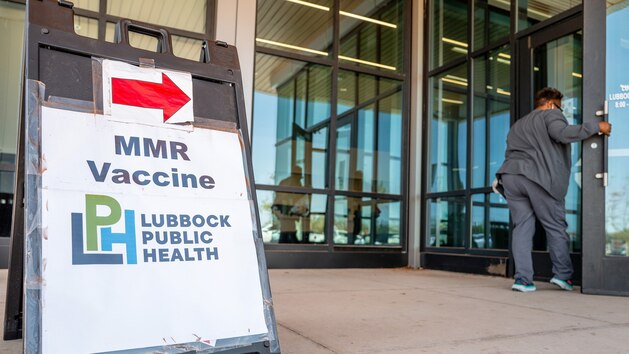
US surpasses 1,000 measles cases for the 3rd time in 26 years: CDC

A sign outside a mobile clinic offering measles and flu vaccinations on February 6, 2026 in Spartanburg, South Carolina. (Sean Rayford/Getty Images)

(NEW YORK) -- Measles cases have topped 1,000 in the United States for the third time in 26 years.

At least 154 new measles cases have been confirmed in the last week for a total of 1,136, according to updated data from the Centers for Disease Control and Prevention (CDC).

So far this year, cases have been confirmed in 27 states: Arizona, California, Colorado, Florida, Georgia, Idaho, Illinois, Kentucky, Maine, Minnesota, Nebraska, New Mexico, New York, North Carolina, North Dakota, Ohio, Oklahoma, Oregon, Pennsylvania, South Carolina, South Dakota, Texas, Utah, Vermont, Virginia, Washington and Wisconsin.

Just six measles cases were reported among international travelers so far this year, according to CDC data.

About 92% of cases are among people who are unvaccinated or whose vaccination status is unknown, CDC data shows.

Meanwhile, 4% of cases are among those who have received just one dose of the measles, mumps, rubella (MMR) vaccine and 4% of cases are among those who received the recommended two doses, according to the CDC.

The current measles situation in the U.S. is partly being driven by a large outbreak in South Carolina that began last year, with 979 cases recorded as of Friday, according to state health officials.

Last year, the U.S. recorded 2,281 measles cases, which is the highest number of national cases in 33 years, according to the CDC. Before that, the last time measles cases rose above 1,000 was 2019 -- CDC data showed 1,274 that year. Recorded cases dropped to a low of 13 in 2020, the first year of the COVID-19 pandemic.

It also marked the first U.S. deaths recorded from measles in a decade, two among school-aged unvaccinated children in Texas and a third of an unvaccinated adult in New Mexico.

The CDC currently recommends people receive two doses of the MMR vaccine, the first at ages 12 to 15 months and the second between 4 and 6 years old. One dose is 93% effective, and two doses are 97% effective against measles, according to the CDC.

However, federal data shows vaccination rates have been lagging in recent years. During the 2024-2025 school year, 92.5% of kindergartners received the MMR vaccine, according to data. This is lower than the 92.7% seen in the previous school year and the 95.2% seen in the 2019-2020 school year, before the COVID-19 pandemic.

Copyright © 2026, ABC Audio. All rights reserved.


Surgeon general nominee Casey Means indicates support of vaccines, but stops short of recommending certain shots during Senate hearing

Dr. Casey Means, nominee for the medical director in the Regular Corps of the Public Health Service and U.S. surgeon general, testifies at a Senate Health, Education, Labor and Pensions Committee hearing on Capitol Hill on February 25, 2026 in Washington, DC. Andrew Harnik/Getty Images

(WASHINGTON) -- President Donald Trump's surgeon general nominee, Dr. Casey Means, indicated she supports vaccines but stopped short of recommending certain shots during her confirmation hearing before the Senate Health, Education, Labor and Pensions (HELP) committee on Wednesday.

Means, who has a medical degree but does not hold an active medical license, appeared hesitant to say that some vaccines, such as the flu vaccine, prevent serious disease.

When asked by HELP committee chair Sen. Bill Cassidy, R-La., if she would encourage mothers to vaccinate their children with the measles, mumps and rubella (MMR) vaccine amid widespread illness in the U.S., Means said, "I absolutely am supportive of the measles vaccine, and I do believe vaccines save lives and are important part of the public health strategy."

However, she stressed personal autonomy and said each patient or parent needs to have a conversation with their doctor or pediatrician before taking any medication.

Later in the hearing, Sen. Tim Kaine, D-Va., asked Means for her opinion on the efficacy of the flu vaccine.

"Do you believe that there is evidence that the flu vaccine prevents serious disease and prevents hospitalization or deaths in children?" Kaine said.

"I believe that all patients should talk to their doctor--" Means began answering.

"And so do I, and that's not what I'm asking," Kaine interjected.

"I support the CDC's guidance on the flu vaccine," Means replied, adding that she believes the shot reduced the risk of hospitalization "at the population level."

Earlier this year, the Centers for Disease Control and Prevention announced that it was changing the childhood immunization schedule, removing the universal recommendation for multiple shots, including the flu vaccine.

Means was originally scheduled to testify before the HELP committee in October, but her appearance was postponed for four months after she went into labor.

If confirmed, Means would become the nation's top doctor, leading more than 6,000 members of the U.S. Public Health Service, including physicians, nurses, scientists and engineers working at various federal health agencies.

Means' views largely mirror those of Health and Human Services Secretary Robert F. Kennedy Jr., with a focus on tackling the chronic disease epidemic, creating a healthier food supply and expressing vaccine skepticism.

This is a developing story. Check back for updates.

ABC News' Youri Benadjaoud and Arthur Jones II contributed to this report.

Copyright © 2026, ABC Audio. All rights reserved.

Nearly 6 in 10 women could have at least one cardiovascular disease risk factor by 2050, AHA warns

Red Carpet logos and atmosphere at The American Heart Association's Red Dress Collection 2024 at Jazz at Lincoln Center on January 31, 2024 in New York City. Randy Brooke/Getty Images

(NEW YORK) -- The number of women with risk factors for cardiovascular disease could significantly increase over the next 25 years, the American Heart Association (AHA) warned on Wednesday.

Without improving prevention and early detection tools, about six in 10 women could be diagnosed with hypertension or obesity by 2050, and risk factors could appear in children and teenagers as well, according to the AHA's scientific statement.

"Cardiovascular disease is the leading cause of death, and fewer than half of women know that fact," Dr. Stacey Rosen, executive director of Katz Institute for Women's Health and volunteer president of the AHA, told ABC News. "And the percentage of awareness is even lower in African Americans and Hispanics."

Published in the journal Circulation, the AHA's projections suggest that 59.1% of women could have high blood pressure by 2050 -- up from 48.6% in 2020 -- even as diet, physical activity and smoking rates are projected to improve.

About one in four women may have diabetes in 2050, up from 14.9% in 2020, and more than 60% are estimated to have obesity, an increase from 43.9% over the same period, according to the report.

Heart health risk factors won't hit all demographic groups of women equally, the report predicted.

High blood pressure will increase the most among Hispanic women with a projected rise of 15%, the report noted.

Additionally, more than 70% of Black women could have high blood pressure and obesity may increase the most among Asian women by nearly 26%. 

Young women and girls may also see an increase in heart risk factors, partially driven by less opportunity for exercise as well as an abundance of inexpensive foods that often are not heart health.

Estimates also suggest that nearly one-third of girls between ages 2 and 19 will have obesity, an increase from 19.6% with obesity in 2020.

Dr. Jennifer Miao, a board-certified cardiologist, told ABC News that earlier hormonal changes in girls may also contribute to cardiovascular risk later in life.

"Several studies have also shown that starting menstruation at an early age can lead to increased risk of heart disease down the road," she said.

Miao said she counsels parents that it's never too early to start thinking of heart health for their children by "choosing good foods, physical activity over screen time and regular pediatrician check-ups." 

Despite the report's predictions, Rosen stressed that meaningful progress for women's heart health is still within reach. 

"As a medical community, we have amazing tools to treat disease and detect it early, but lack when it comes to primary prevention," Rosen said, adding that managing diseases like obesity requires a time intensive, multidisciplinary approach that the current U.S. health care system is not built to support. 

She also said that optimizing health doesn't require a costly gym membership or expensive organic foods.

"Every bit of movement counts, whether that means taking a walk or standing more if you work at a desk," Rosen said.

Small, sustainable changes, like cutting back on sweetened beverages, can make a meaningful difference over time, she said.

Miao added that both the medical community and local leaders can do their part. By partnering with local health clinics, expanding home visit programs and leveraging telemedicine, health systems can extend their reach and bring essential care directly to isolated and underserved populations.

Takisha Morancy, MD, is a chief emergency medicine resident, medical ethics fellow and member of the ABC News Medical Unit.

Copyright © 2026, ABC Audio. All rights reserved.
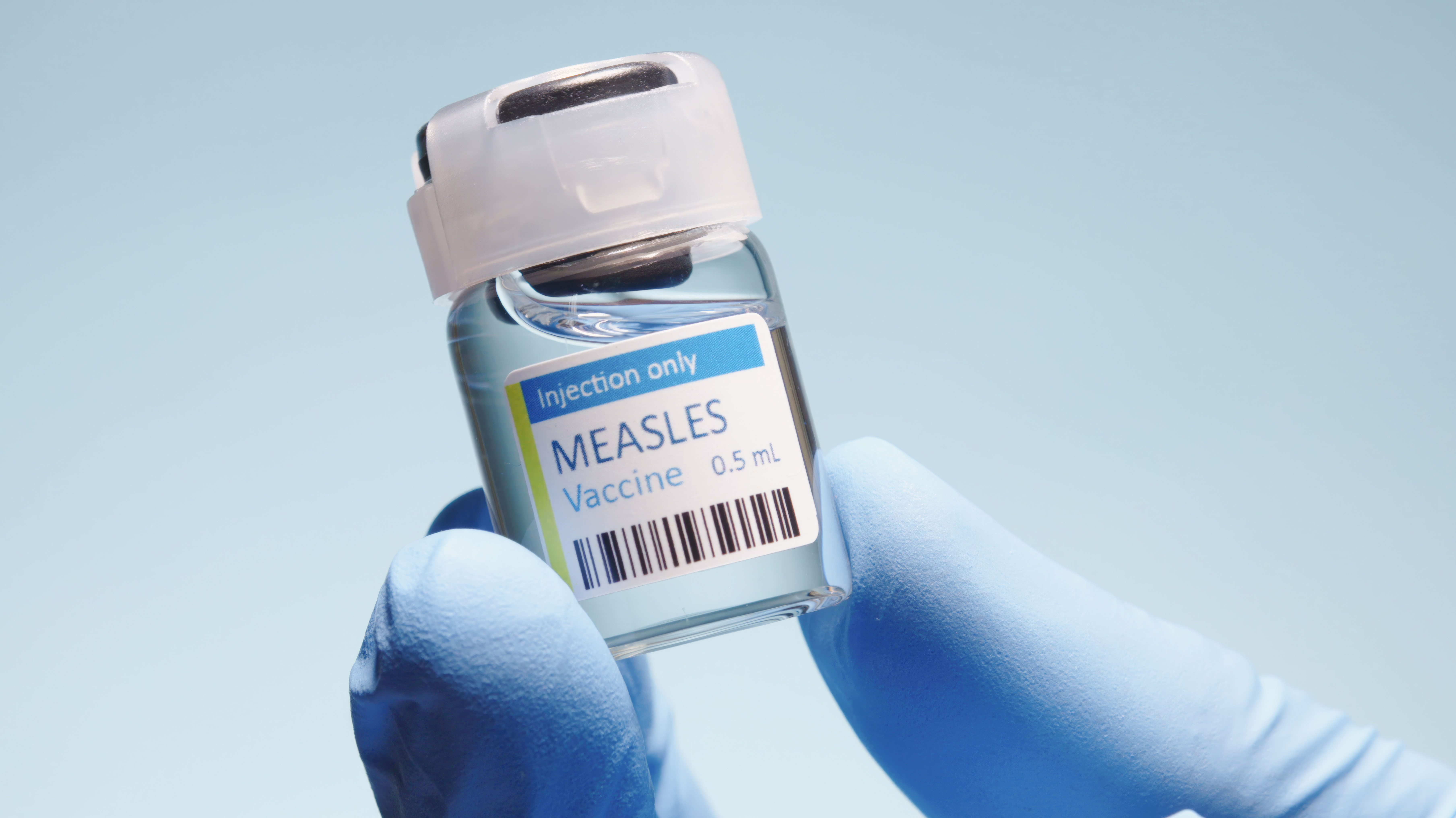

Listener Poll

Add a Comment
(Fields are Optional)

Your email address is never published.

Find Us On Facebook